You're pulling that perfect print off your gel plate, and halfway through, rip. Your rice paper just gave up on you.
Sound familiar? If you've been gel plate printing for more than five minutes, you know the heartbreak of losing a gorgeous print to torn paper.
Let's talk about why wet strength tissue paper might just save your sanity (and your artwork).
Quick Jump Menu
The Rice Paper Problem
Rice paper has been the go-to for mixed media artists forever. It's thin, translucent, and creates beautiful layered effects. But here's the thing, it wasn't designed for the kind of abuse we put it through on gel plates.
Traditional rice paper gets soggy fast. The moment you add paint or ink, the fibres start breaking down. You're basically working against the clock, racing to pull your print before the paper disintegrates in your hands.
And don't even get me started on trying to use heavy-bodied acrylics or multiple layers. Rice paper just says "nope" and tears right down the middle.
Enter Wet Strength Tissue Paper
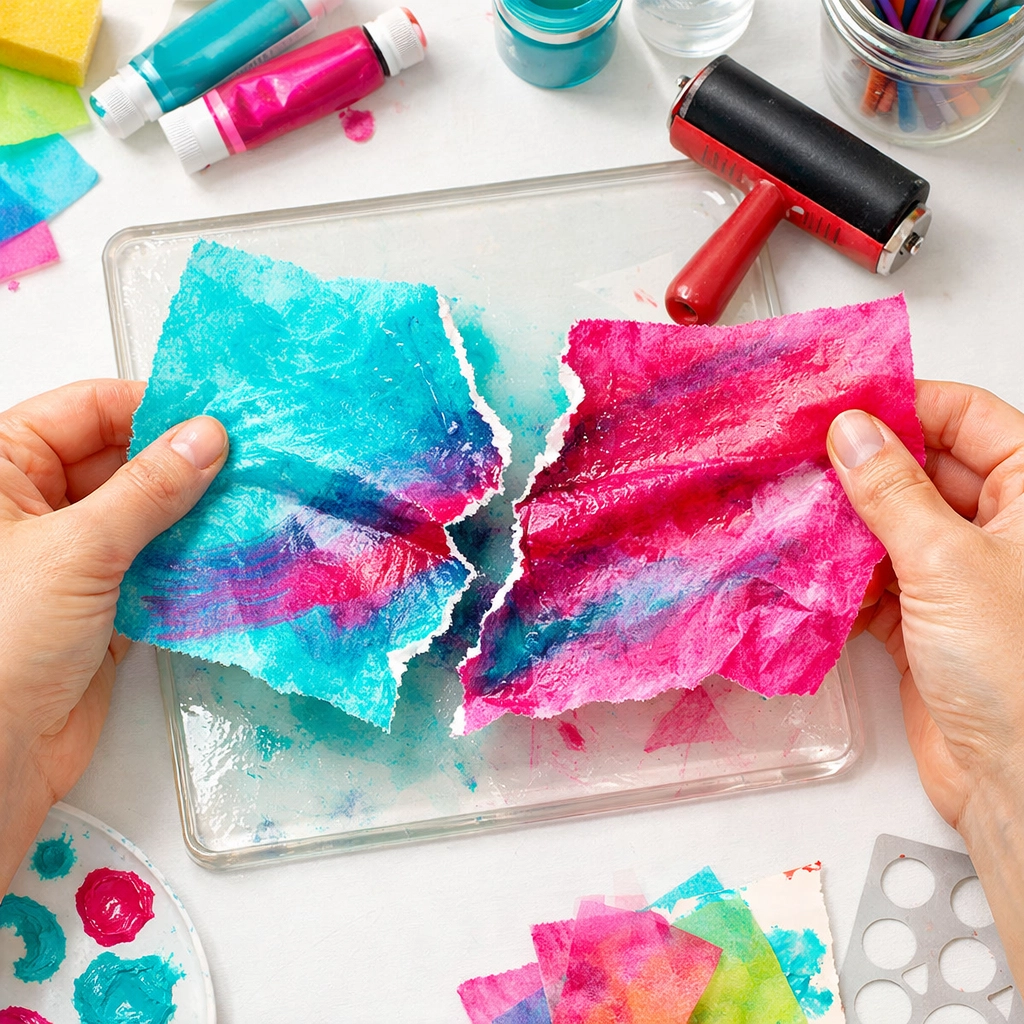
Wet strength tissue paper is exactly what it sounds like: tissue paper that's been engineered to stay strong when wet. Game changer doesn't even begin to cover it.
This stuff can handle what you throw at it (literally). Heavy paint? No problem. Diluted inks? Bring it on. Multiple pulls from the same sheet? Still going strong.
The secret is in how it's made. During production, special resins are added that bond the paper fibres together. When moisture hits, instead of falling apart, those bonds actually tighten up.
Why Wet Strength Tissue Wins for Gel Plate Printing
Let's break down the head-to-head comparison.
Durability During the Pull
Rice paper tears at the worst possible moment, right when you're peeling it off the plate. You'll be going carefully, holding your breath, and then suddenly you've got two pieces of paper and one ruined print.
Pre-cut wet strength tissue? You can pull it off confidently. No baby steps, no prayers to the art gods. Just a smooth, satisfying peel every single time.
Paint and Ink Capacity
Rice paper maxes out pretty quickly with heavy media. Add too much paint and you're looking at a mushy disaster.
Wet strength tissue sheets actually hold up better when they're saturated. You can flood them with water and paint, use spray inks, or layer on acrylic medium without worrying about breakthrough or tearing.
This means you can get way more experimental with your techniques. Want to try ghost prints? Go for it. Multiple layers of colour? Easy.
Handling After Printing
Here's where rice paper really struggles. Once it's wet and printed, you're basically not touching it until it's bone dry. Move it too soon and you'll crumple or tear it.
Wet strength tissue can be moved while still damp. Not immediately, give it a minute, but you don't need to wait hours before repositioning your print or adding it to a journal page.
Texture and Transparency
Both papers offer that beautiful translucent quality that makes layered work pop. But wet strength tissue paper tends to be slightly more uniform in texture.
Rice paper can have interesting texture variations (which some artists love), but those thin spots are also where tears happen most often during printing.
How to Use Wet Strength Tissue on Your Gel Plate
Ready to give it a try? Here's what you need to know.
Prep Your Plate
Roll out your paint or ink just like normal. Don't change your technique, wet strength tissue works with whatever method you're already using.
If you're doing monoprinting with stencils, texture tools, or mark-making, go ahead and set up your design.
Lay Down the Paper
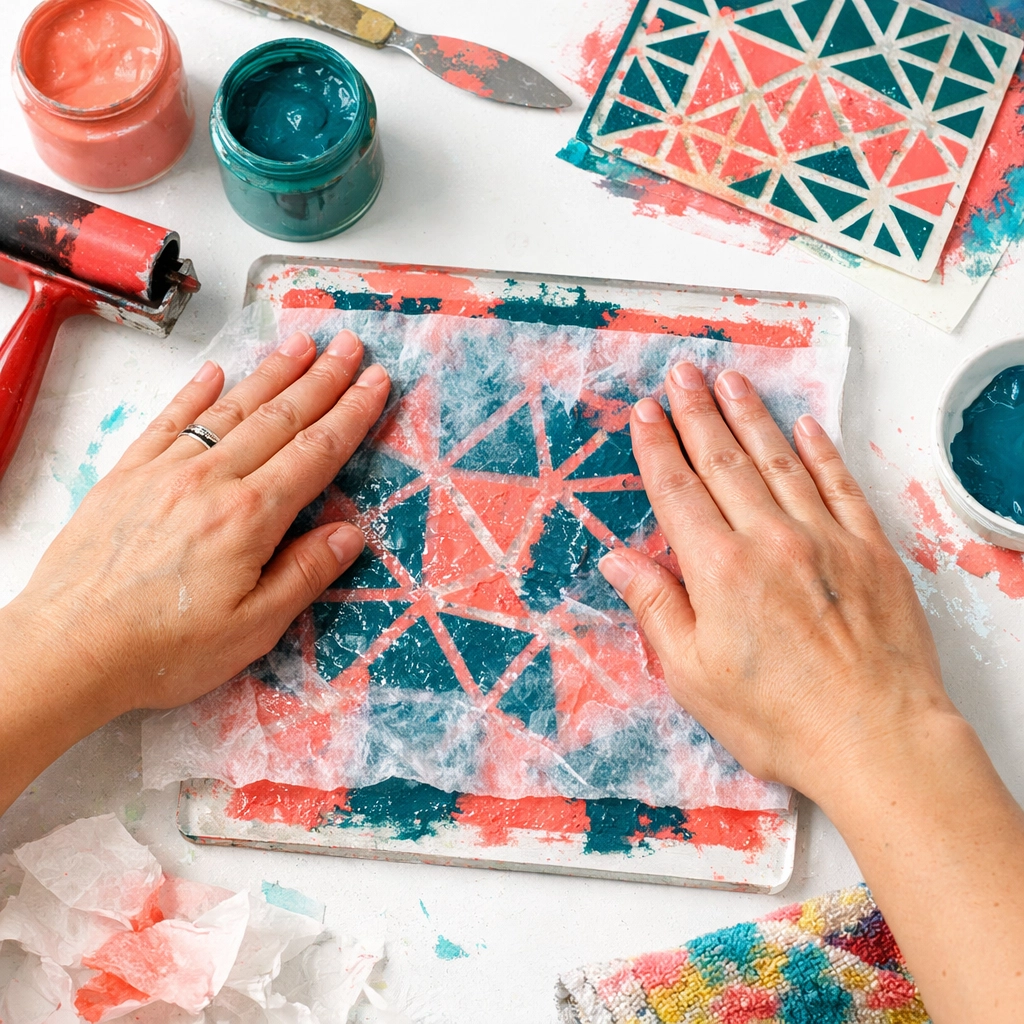
Place your wet strength tissue sheet on the plate. You can smooth it gently with your hands or use a brayer for even pressure.
Unlike rice paper, you don't need to be quite so delicate here. The paper can handle a bit more pressure without damage.
Pull Your Print
Here's the fun part. Peel back the paper starting from one corner. You'll feel the difference immediately — it lifts cleanly without resistance or tearing.
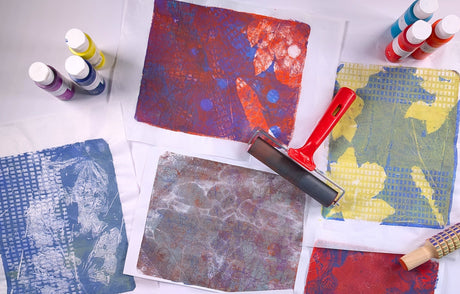
If you're doing a ghost print (pulling a second print from the remaining paint), wet strength tissue paper handles this beautifully. The paper doesn't fall apart between pulls.
Next Steps
You can add more layers while the paper is still damp if you're working in an art journal. Or let it dry flat for collage work.
Some artists tape wet strength tissue to copy paper and run it through an inkjet printer once it's dry. The durability means it won't jam or tear in the printer feed.
What About the Cost?
Let's be real, wet strength tissue costs more than regular tissue paper and sometimes more than rice paper too.
But here's the maths that matters: How many rice paper prints have you lost to tearing? How much paint gets wasted when paper falls apart on your plate?
When you factor in the success rate, wet strength tissue paper actually saves you money. Every print comes out intact — no do-overs, no wasted materials.
Plus, if you want larger sheets for bigger artwork or sculptural pieces, our large wet strength tissue sheets are brilliant for lanterns, mixed media, and oversized prints.
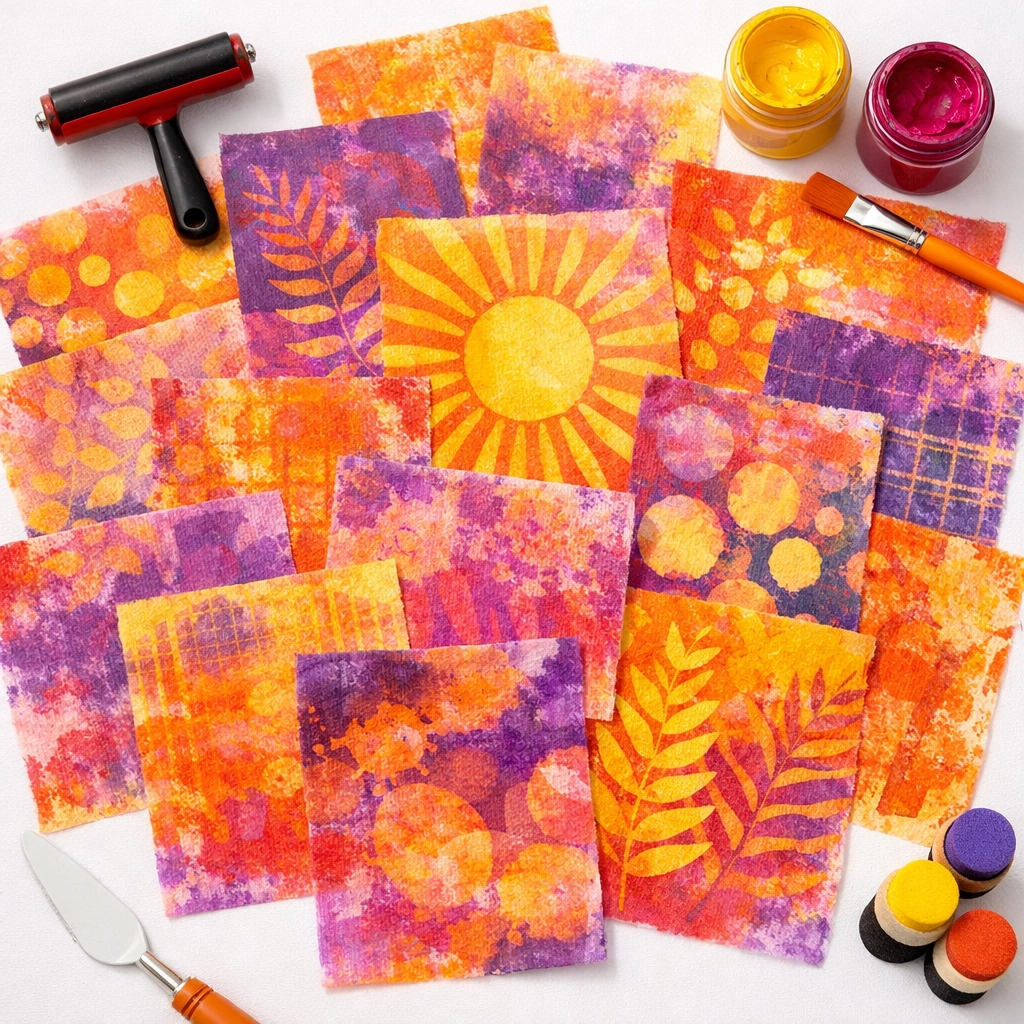
Where to Find Pre-Cut Wet Strength Tissue
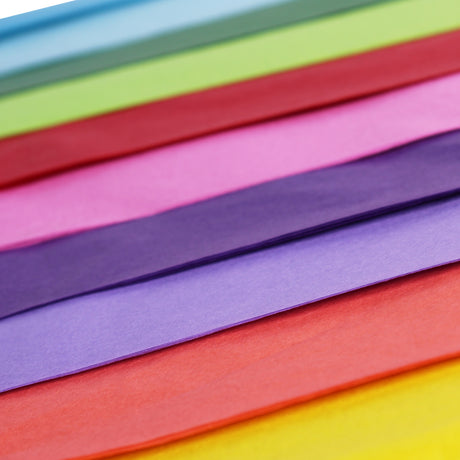
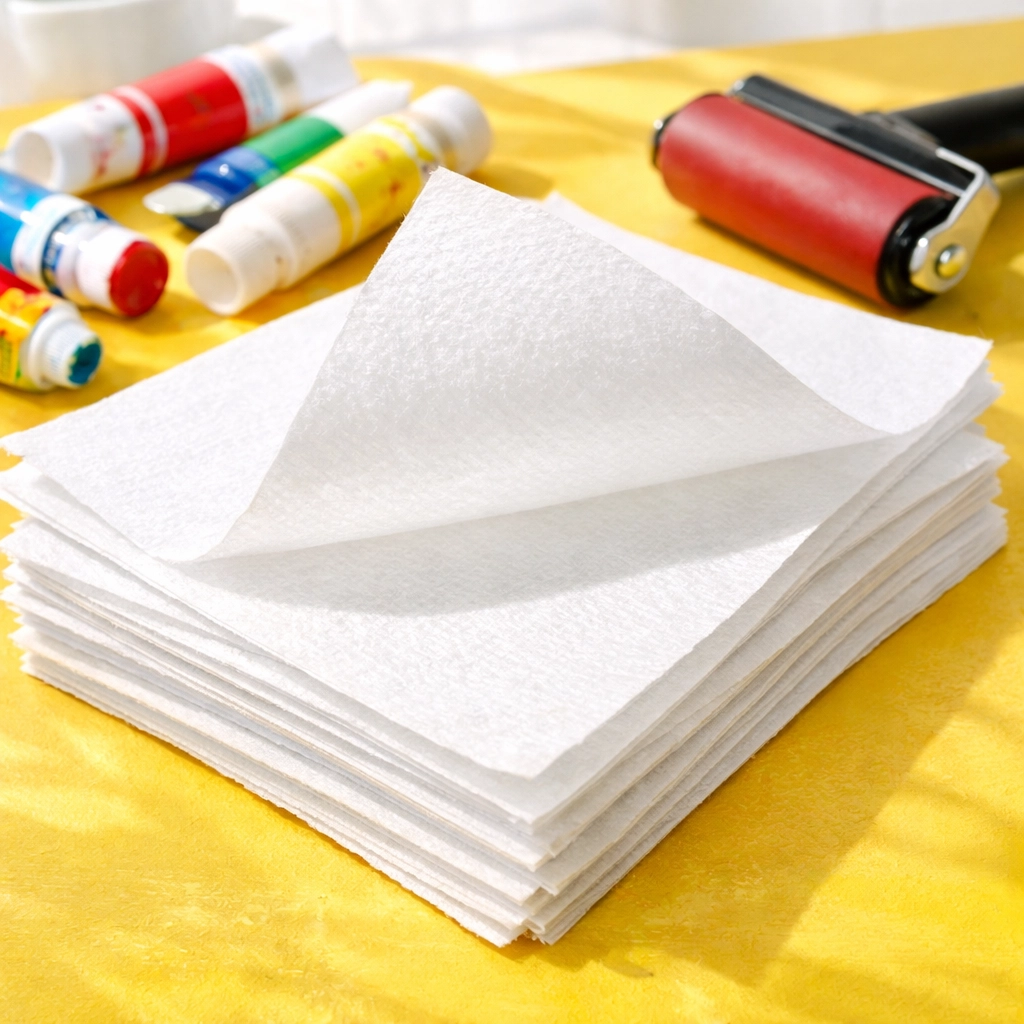
For standard gel plate sizes, our pre-cut wet strength tissue sheets are perfect — no measuring, no cutting, just start printing.
If you're creating larger pieces or enjoy lantern making and sculptural work, check out our large wet strength tissue sheets. They’re ideal for bigger prints, collage panels, and paper art projects.
Other Uses You'll Discover
Once you start working with wet strength tissue, you'll find yourself reaching for it beyond gel plate printing.
It works brilliantly for collage, especially when you're using wet adhesives like gel medium or diluted PVA glue. The paper doesn’t pill or tear during application.
You can use it for layering in mixed media pieces, creating translucent windows in altered books, or even for lightweight paper mache projects.
Some artists use it for image transfers or experimental techniques with solvents and inks. The durability means you can push boundaries without worrying about paper failure.
If you love sculptural work, the larger sheets are a great choice for lantern making, paper art, and oversized collage work.
Rice Paper Still Has Its Place
Look, rice paper isn't the enemy here. It has beautiful texture variations and a delicate quality that works perfectly for certain techniques.
If you're doing dry collage, paper layering without wet adhesives, or want that specific organic texture, rice paper is lovely.
But for gel plate printing specifically? wet strength tissue paper just performs better. It's designed for exactly the kind of wet, messy work we love to do on gel plates.
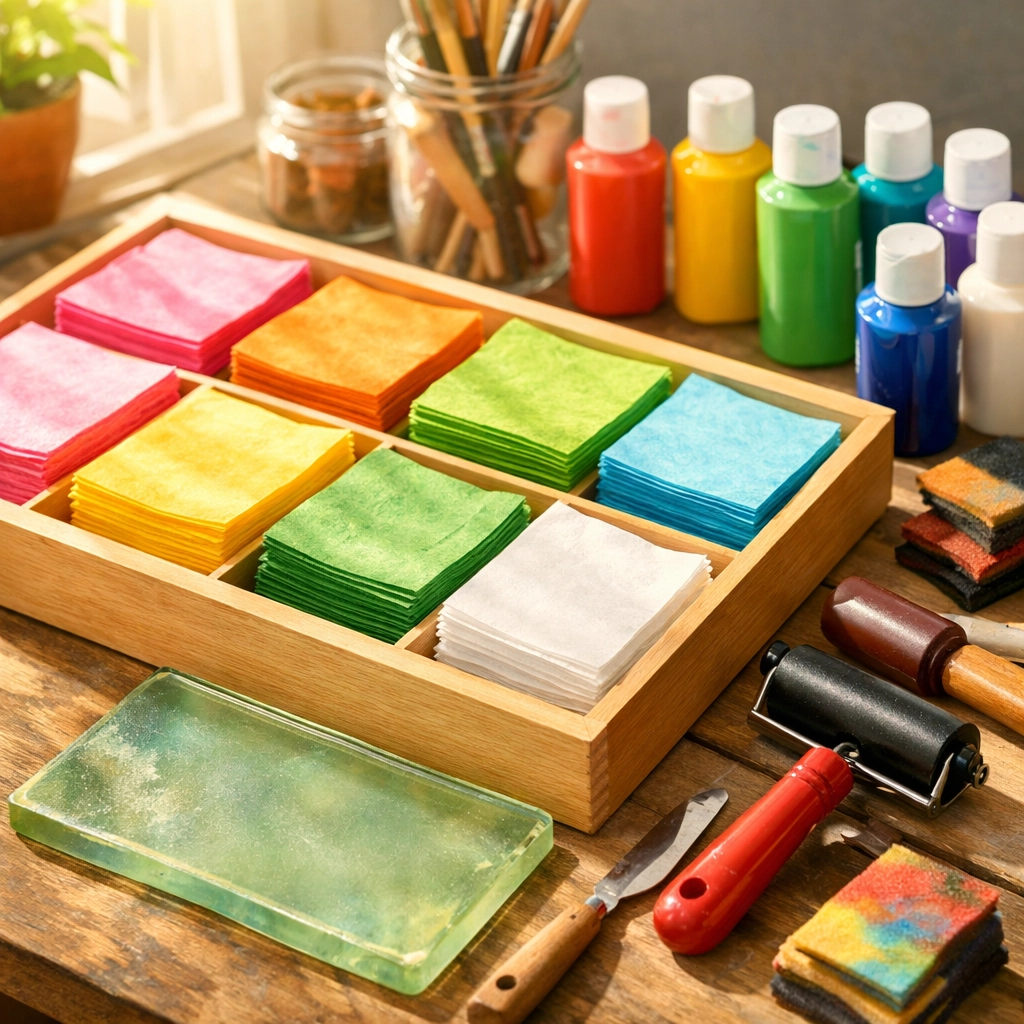
Your Next Print Session
Next time you're setting up your gel plate, grab some pre-cut wet strength tissue or even the large sheets instead of your usual paper.
Do a side-by-side comparison if you want: print the same design on both and see the difference yourself.
You'll notice the confidence that comes with knowing your paper won’t tear mid-pull. That confidence lets you experiment more, try techniques you've been nervous about, and ultimately create better work.
Ready to try it? Browse the full range of wet strength tissue paper at Carnival Papers and start printing with confidence.
Now get in there and make some prints. Your gel plate is waiting.